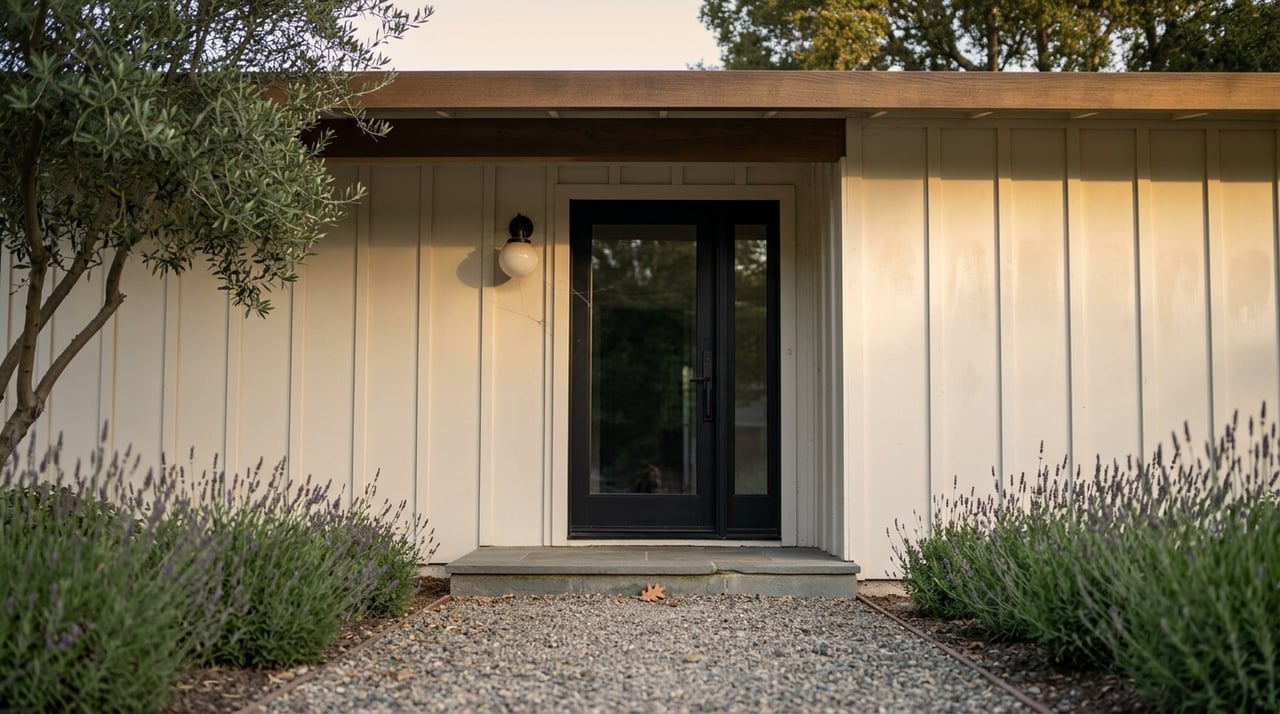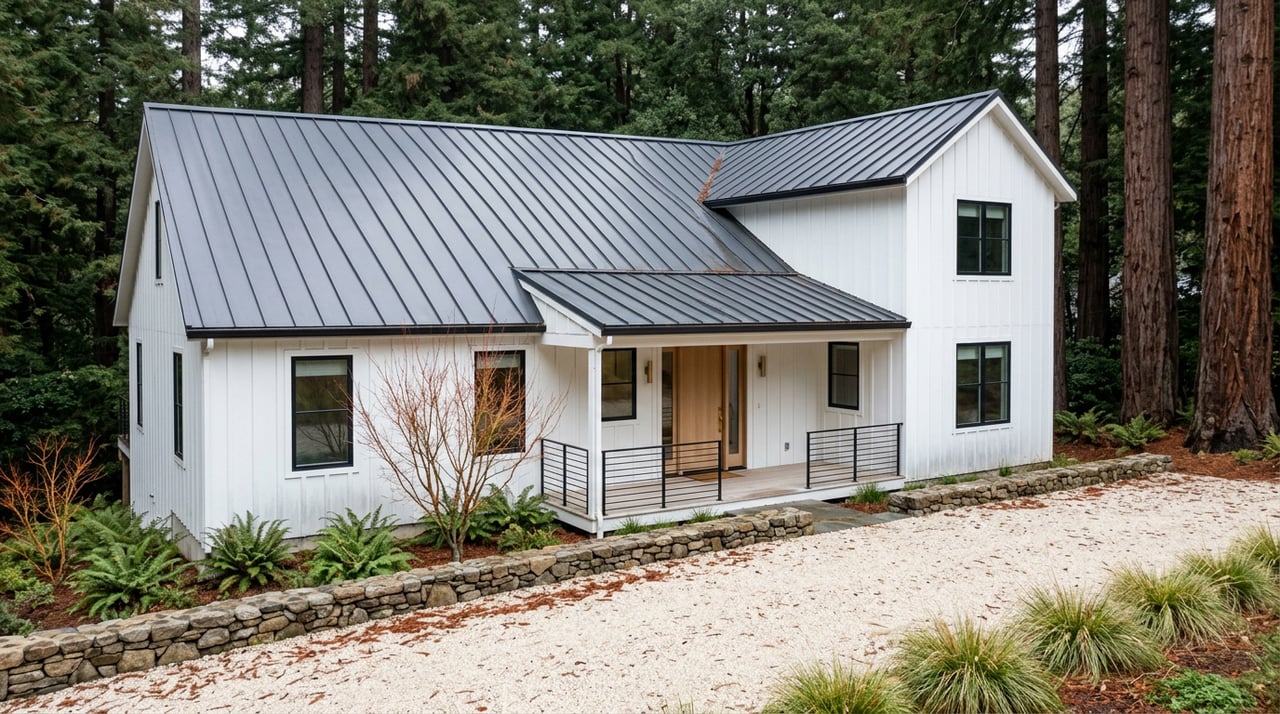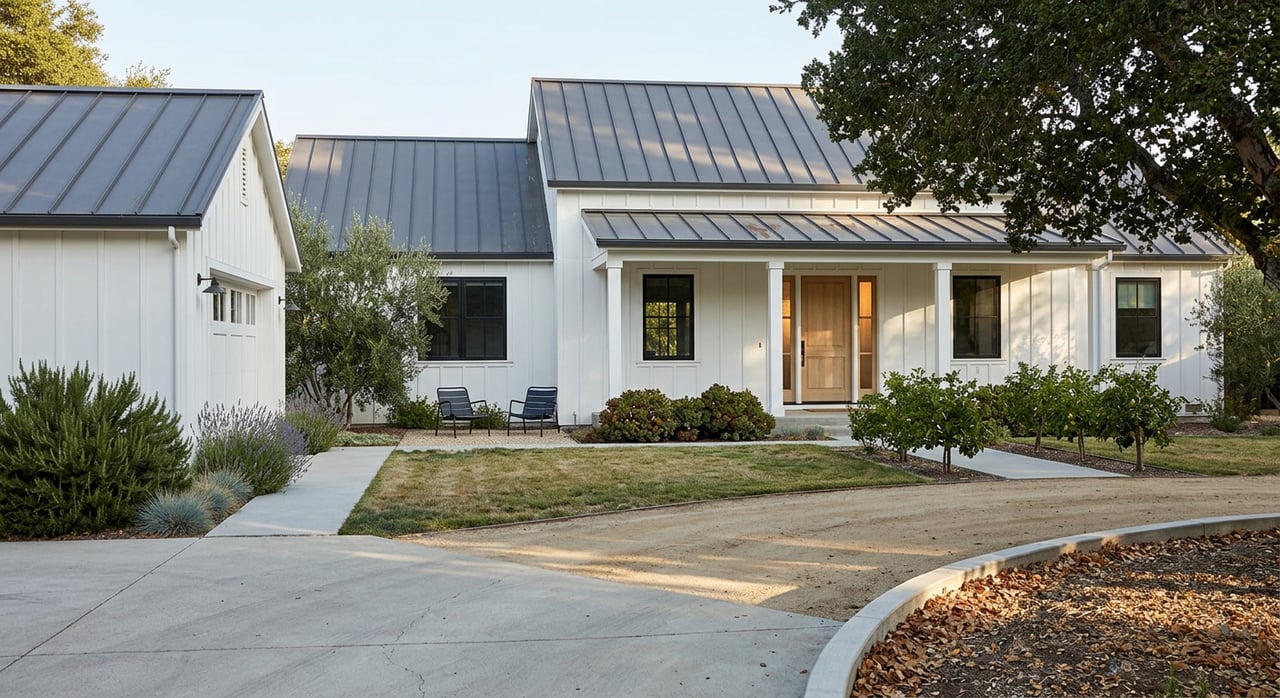
Are you picturing morning coffee on a walkable downtown street, or a sunset over your own orchard and garden beds? If you are choosing between in-town Sebastopol and a country parcel nearby, you are really choosing a lifestyle. Both options offer charm and value, but the day-to-day realities, maintenance, and long-term costs can be very different. In this guide, you will learn the key trade-offs, the permits and utilities to check, and a clear checklist to help you decide with confidence. Let’s dive in.
Quick snapshot: what changes most
- Utilities and upkeep: In town you get municipal water and sewer, plus straightforward billing and maintenance. On acreage you likely manage a private well and septic, with more inspections and service.
- Space and privacy: Country parcels offer room for gardens, animals, and outbuildings. In-town lots are smaller and easier to maintain.
- Daily logistics: In-town means short errands and proximity to transit. Rural living usually requires a car for most trips.
- Risk and resilience: Rural properties may fall in mapped wildfire hazard zones, and insurance can be more complex. In-town locations benefit from municipal planning and services.
- Cost profile: Acreage owners budget for well and septic care, vegetation management, and private road maintenance. In-town owners typically see lower ongoing property maintenance.
In-town Sebastopol: what to expect
Neighborhood feel and lot sizes
Sebastopol’s city footprint is compact, with a population around 7,300 to 7,500, which makes many neighborhoods walkable to shops and community amenities. Many in-town parcels are under a quarter acre, so you spend less time on yard work and more time enjoying town life. That compact pattern also makes city services and emergency response straightforward for most addresses. The U.S. Census offers a quick overview of Sebastopol’s size and population if you want a high-level snapshot of the city’s scale and density. You can explore those details on the Census QuickFacts page for Sebastopol.
Utilities and city services
Inside city limits, most properties connect to municipal water and wastewater. That means regular maintenance, centralized billing, and clear contacts when you need help. If you want the simplest path for utilities, this is a meaningful advantage. You can learn more on the City of Sebastopol’s water and sewer page.
Public Safety Power Shutoffs, or PSPS, can affect the region during high fire risk periods. The City publishes guidance on how municipal systems plan to respond, which adds peace of mind if you live in town. See the city’s PSPS preparedness page for details.
Getting around town and beyond
Sebastopol sits about 7 miles from Santa Rosa, roughly 15 miles from the coast at Bodega Bay, and about 55 miles from San Francisco. Many residents commute to nearby employment centers, with a mean travel time of about 23.6 minutes, according to the U.S. Census. Sonoma County Transit serves Sebastopol with local and regional routes, which is most convenient if you live near the downtown transit hub. You can review routes and schedules on the Sonoma County Transit website.
Country acreage near Sebastopol: what to expect
Space, uses, and zoning
If you want elbow room and privacy, rural parcels around Sebastopol can range from a few acres to dozens. Many properties support vegetable gardens, small orchards, hobby vineyards, or space for horses and animals. That fits the region’s agricultural heritage, but rules vary by zoning district. Some uses, like commercial agriculture or multiple accessory structures, can require minimum parcel sizes or specific permits. Before you assume what is allowed, review the county’s zoning framework and permitted uses using resources like Sonoma County’s zoning code reference, and confirm details with Permit Sonoma.
Wells, septic, and permits
Most acreage outside city limits relies on a private well and an on-site wastewater system. You will want to see the well log, water quality and yield, recent pump service, and septic permit history. County permitting is active for septic and well work, and the county has noted changes affecting some non-emergency well permitting. Start with Permit Sonoma’s portal to check current policy and processes for your address. You can explore the county’s permitting portal here: Permit Sonoma Citizen Access.
For septic, routine care matters. The EPA recommends regular inspections and pumping, commonly every 3 to 5 years depending on tank size and usage. Neglect can lead to costly repairs or replacement, so plan for this on your annual and multi-year maintenance list. Learn more from the EPA’s homeowner guidance on septic systems.
Power, internet, and resilience
If your home uses a well, water will not flow during a grid outage unless you have backup power. Many acreage owners plan for a generator or battery system, especially during PSPS events. For citywide PSPS guidance, see Sebastopol’s preparedness page.
Broadband availability in rural areas can vary from road to road. Sonoma County is investing in an open-access broadband network to improve service to unserved and underserved areas, but availability is still address-specific. If you work from home or stream heavily, verify options directly with providers. You can read about the county’s initiative through the Sonoma County EDC’s broadband update.
Access and private roads
Many country properties use private roads or shared driveways. Ask about recorded road maintenance agreements, who pays what, and how repairs are handled. You will also want to review easements and legal access as part of your title and disclosures.
Risk and cost considerations
Wildfire exposure and insurance
Portions of rural Sonoma County are mapped in Moderate, High, or Very High Fire Hazard Severity Zones. These designations affect defensible space requirements, home hardening expectations, and often influence insurance availability and premiums. You can learn about fire hazard mapping through CAL FIRE’s Fire Resource Assessment Program. Insurance markets have also tightened in parts of California due to wildfire risk. Local reporting notes elevated nonrenewal activity in affected regions, so it is smart to obtain multiple, address-specific quotes early in your process. See context in this San Francisco Chronicle report on nonrenewals.
Property tax and local assessments
California’s Proposition 13 sets a base property tax levy of about 1 percent of assessed value, plus local assessments and bonds. Your effective rate and total bill depend on the assessment and any special districts tied to the property. You can read a general overview at Taxation in California.
Ongoing maintenance and operating costs
If you buy acreage, plan for a different maintenance rhythm. Typical recurring items include:
- Septic inspections and pumping at EPA-recommended intervals.
- Well service, filtration, and pump replacement over time.
- Vegetation management and defensible space work.
- Private road and driveway upkeep.
- Larger-scale landscaping or irrigation as needed.
In-town owners usually see fewer of these line items, which is part of the appeal if you want low-maintenance daily life.
Lifestyle fit: which one suits you?
Choose in-town if you value
- Short daily errands, walkable amenities, and proximity to services.
- Municipal water and sewer, simpler utility billing, and fewer private-system obligations.
- Access to local transit, restaurants, markets, and community events.
- A smaller yard that is easier to maintain.
Choose acreage if you value
- Space for gardens, small orchards, animals, or a workshop.
- More privacy, views, and room to entertain outdoors.
- The flexibility of outbuildings or future projects, subject to zoning and permits.
- A hands-on approach to property care, including well and septic stewardship.
Buyer checklist for Sebastopol properties
Use this list to guide the due diligence you do with your agent, inspectors, and the city or county:
- Confirm city or county jurisdiction. Is the parcel inside Sebastopol city limits or in unincorporated Sonoma County? Jurisdiction affects utilities, permits, and rules.
- Verify utility status. If in town, confirm municipal water and sewer connection and any capacity or assessment charges with the City’s utility team. Start here: Sebastopol water and sewer.
- Review septic and well records. Outside city limits, request septic permits, recent pump and inspection records, and the well log with water quality and yield. Check current permitting guidance via Permit Sonoma Citizen Access and follow EPA guidance for routine care through the EPA septic page.
- Assess wildfire risk and insurance. Look up the property on CAL FIRE resources and ask for multiple insurance quotes early. Learn more about hazard mapping at CAL FIRE FRAP and review insurance market context in the San Francisco Chronicle.
- Check broadband and cell coverage. Confirm provider options, speeds, and reliability for the exact address. Sonoma County is investing in rural connectivity, described by the Sonoma EDC broadband update, but availability is still address-specific.
- Understand transit and commute patterns. If you plan to use transit, explore Sonoma County Transit and consider proximity to the downtown hub. If you drive, note your peak-hour windows to Santa Rosa and beyond.
- Verify zoning and permitted uses. For acreage, confirm what is allowed for animals, ADUs, farm retail, and accessory structures. Start with the county’s zoning reference on Zoneomics, then confirm with Permit Sonoma.
- Review roads, easements, and maintenance. Ask for recorded road agreements, who pays for repairs, and how access is secured for all seasons.
How HavenHous helps you decide
Choosing between in-town living and acreage is personal, but it should not be confusing. You deserve a local advisor who can translate the technical pieces into clear next steps. HavenHous, led by Broker Associate Theresa Disbro with Keller Williams Wine Country, blends boutique, high-touch guidance with rural know-how. You get support with well and septic questions, zoning strategy for ADUs and outbuildings, and a vetted vendor network to handle inspections and repairs. If you are relocating or buying a second home, you can expect curated property previews, clear disclosure management, and lifestyle-focused advice rooted in West Sonoma County.
Ready to explore both paths and see what truly fits your life? Reach out to Theresa Disbro to compare options side by side and schedule a personalized consultation.
FAQs
Is Sebastopol city water and sewer available at my address?
- Start by confirming whether the home is inside city limits; if so, review connection status and any fees with the City’s utility team using the Sebastopol water and sewer page.
What should I budget for septic maintenance on a rural Sebastopol home?
- Plan for routine inspections and pumping about every 3 to 5 years depending on household size and tank capacity, as outlined in the EPA’s septic guidance; costs vary by provider and system age.
How do wildfire zones affect country acreage in Sonoma County?
- CAL FIRE hazard designations influence defensible space work, home hardening, and insurance options, so check your parcel’s status via CAL FIRE FRAP and request multiple insurance quotes early.
Can I add an ADU or keep animals on a rural parcel near Sebastopol?
- It depends on zoning, parcel size, and setbacks; review county rules using Zoneomics’ reference and confirm specifics with Permit Sonoma before planning structures or animal keeping.
Is public transit practical if I live in-town in Sebastopol?
- Sonoma County Transit serves Sebastopol with local and regional routes, so living near the downtown hub is most convenient; check schedules on the SCT website.