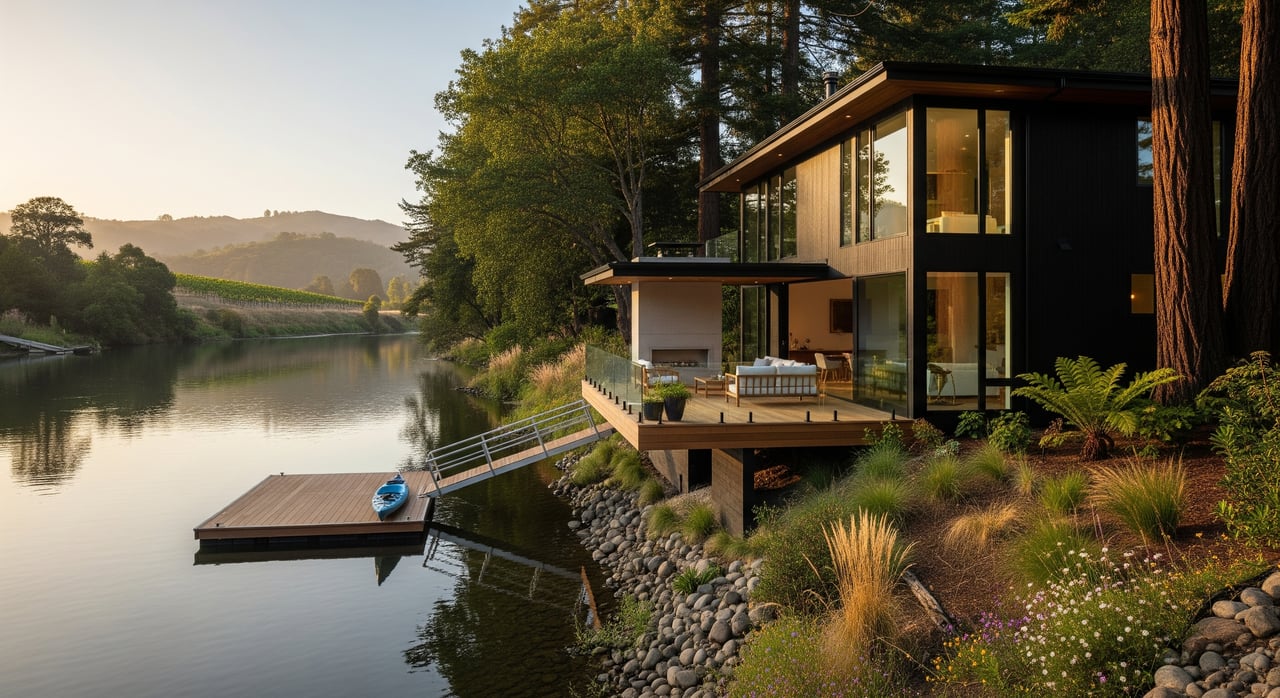
Thinking about a place where you can kayak in the morning, sip pinot in the afternoon, and be back in the Bay by Sunday night? The Russian River has long been a favorite for weekenders and remote workers who want nature, character, and a manageable drive. If you’re weighing a second home here, you want clarity on timing, budget, property types, and how to navigate unique rural details. This guide breaks down current buyer patterns, how to frame price bands, seasonality and logistics, and the key risks and inspections to plan for. Let’s dive in.
Why the Russian River draws second‑home buyers
The corridor attracts two main groups: Bay Area weekenders who want a low‑maintenance escape, and remote workers seeking a lifestyle second home that can handle longer stays. Activity grew during and after the pandemic as flexible schedules made extended visits possible. You’ll see strong interest for homes with river access, outdoor living space, and proximity to Armstrong Redwoods and local wineries.
Demand is hyperlocal. Riverfront, river‑adjacent with easy access, and homes with usable decks or yards draw more traffic. In-town spots near restaurants and shops, like Guerneville and parts of Forestville, appeal to buyers who want to park the car and walk. If you prefer quieter settings, look to Monte Rio, Guernewood Park, or pockets with private roads and larger lots.
Seasonal patterns shape who you’ll compete with. Summer and holiday weeks bring more leisure buyers, which can raise competition. Late fall and winter attract buyers who plan longer or more regular use and may be more value‑driven.
What to expect from inventory
You’ll find a range of property types along the River, each with its own checklist and pricing dynamics:
- Small cabins and cottages: Older, compact homes that offer a classic weekend feel. Many sit on small lots and may have septic or well systems that need attention. Entry prices can be lower, but plan for upgrades.
- River‑adjacent family homes: More bedrooms and year‑round comfort, sometimes on sewer and public water depending on the pocket. These suit buyers who want space and flexibility.
- Riverfront and renovated homes: Higher amenities, private river access, larger parcels, and updated systems. These command premium pricing and faster attention from cash buyers.
- Rural estates and vineyard‑adjacent properties: Larger acreage and privacy in areas near the River and nearby valleys. Expect different permitting and maintenance considerations.
Submarkets have distinct vibes. Guerneville and Rio Nido are tourism‑forward with the most summer foot traffic. Monte Rio, Guernewood Park, and Duncans Mills offer pockets of riverfront and historic charm. Forestville feels more residential. Jenner at the coast is more remote and can be premium for ocean proximity, while Occidental leans rural and wooded.
Price bands and how to frame your budget
Prices shift with season, condition, and exact location, so think in tiers rather than fixed numbers. A simple approach helps you set expectations:
- Segment by setting: Riverfront, river‑adjacent, and upland or rural parcels. Riverfront typically carries a premium.
- Compare systems and condition: Septic and well age, roof and siding, heating and insulation. Updated systems tend to reduce long‑term costs.
- Sort by town and lot type: In‑town with walkability versus private roads with larger lots.
- Check demand indicators: Days on market and list‑to‑sale ratios show where buyers are most active.
For accuracy, pull 12‑month sold comps from the Sonoma County MLS, then sort by town, river proximity, bedrooms, lot size, and condition. Use public portals for quick snapshots, but always cross‑check with local MLS data for the most reliable pricing and demand trends.
Seasonality and timing strategies
Timing shapes your experience and leverage.
- Peak season (May to September): More listings and showings, which is great for selection. Expect heavier competition for turn‑key homes, especially riverfront.
- Shoulder seasons (spring and early fall): Good balance between inventory and fewer competing buyers.
- Off‑season (late fall and winter): Fewer listings and showings, which can open room for negotiation. It is also the best time to see how a property handles rain, drainage, and cold weather.
Holiday weekends like Memorial Day, July 4, and Labor Day increase traffic and sometimes pricing pressure. Wildfire and flood events can temporarily cool sentiment and affect insurance availability, which can create short‑term openings for well‑prepared buyers.
Plan for driving logistics. Weekend traffic on US‑101 and Highway 116 can add time, especially in summer. Test both weekday and weekend routes, and consider at least one Friday or Saturday visit to gauge real‑world access.
Key risks and rules to know before you buy
Buying near the River means learning a few rural essentials. None of these are deal breakers if you prepare early.
- Wildfire exposure: Many properties fall into moderate to very high hazard zones. Look for defensible space, ember‑resistant vents, and fire‑resistant materials.
- Flooding and bank erosion: Low‑lying parcels may sit in FEMA flood zones. Seasonal river behavior can affect access, septic performance, and long‑term stability.
- Soil and slope: Steeper banks may have landslide or slumping risks. Consider a geological opinion for riverfront lots.
Insurance and mitigation
- Home insurance can be more complex where wildfire risk is elevated. Request quotes early and factor mitigation steps into your plan.
- Flood insurance may be lender‑required in mapped flood zones. Costs vary by property.
- Work with an insurance broker familiar with Sonoma County wildfire and flood coverage to set realistic expectations.
Permits, septic, and utilities
- Septic and wells are common. Verify permits, tank capacity and condition, setbacks, and well performance. Review county requirements for repairs or replacement.
- Private roads and bridges appear throughout the corridor. Confirm maintenance responsibilities and any road association or HOA fees.
- Unpermitted structures are not unusual in older vacation areas. Pull permit history with the county before you commit.
- Short‑term rental rules vary by town and county area. If you plan to rent, check local ordinances, required registrations, and health and safety standards before you buy.
Financing and taxes
- Lenders classify loans as primary residence, second home, or investment. Second‑home loans often require more reserves and a larger down payment than primary residences, while investment use can require even stricter terms.
- Cash purchases are common in premium riverfront segments. Be ready to compete with clean terms if you love a property.
- If considering short‑term rentals, confirm transient occupancy tax rules for your jurisdiction.
Legal and community items
- Clarify river access rights and any easements that affect use.
- Ask about neighborhood norms, quiet hours, and boat or noise expectations to ensure the property fits your lifestyle.
Smart search strategy for the River
Make your search efficient and intentional by setting up the right filters and map layers from the start.
- Use accurate data: Set MLS alerts through a local agent for new listings and sold comps. Public portals are fine for broad browsing, but rely on MLS for decisions.
- Apply essential filters: Riverfront versus river‑adjacent, lot size, sewer versus septic, public water versus well, private roads, and known flood or fire overlays.
- Map like a pro: Use parcel viewers and GIS layers to confirm lot lines, setbacks, and proximity to the river. Overlay FEMA flood zones and Cal Fire hazard areas for a clearer risk picture.
- Pressure‑test the practicalities: Map commute times for both weekdays and weekends, and test cell coverage and internet options you plan to use.
HavenHous can pair local MLS intelligence with curated, coming‑soon opportunities and private previews, plus a vendor network to answer septic, well, erosion, and insurance questions early in the process.
Your viewing and inspection checklist
Plan at least two visits if possible, including one during or after rainfall or in higher‑flow conditions.
On‑site checks
- Walk the riverbank where safe, note erosion, stairs, and access points.
- Inspect underfloor areas with a flashlight for moisture, wood rot, or signs of past flooding.
- Confirm water pressure and hot water recovery, heating function, and insulation.
- Locate septic lids, pumps, and well heads; note clear access for service.
- Test cell service and run an internet speed test on site.
- Observe parking, road width, and neighborhood activity during peak times.
Professional inspections and contingencies
- Standard: General home, pest, roof, and foundation inspections.
- Specialized for river properties: Septic evaluation with pump records, well water test, geological or erosion assessment for riverfront, wildfire defensibility review, and chimney/HVAC where relevant.
- Title and access: Confirm deeded riparian rights, recorded easements, and any covenants that affect river use.
Negotiation plays in peak vs off‑season
In peak months, desirable listings can move quickly, especially if riverfront or turnkey. Consider strong but measured terms if a home fits your criteria tightly. In the off‑season, you may see more room to negotiate, but keep all essential contingencies in place. If erosion or access concerns remain, include clear language that lets you review conditions across different river levels.
Is a second home here right for you?
If you value outdoor living, character neighborhoods, and a nature‑first lifestyle, the Russian River can be a great fit. Weekenders often prioritize ease of maintenance and walkability, while remote workers focus on reliable utilities and year‑round comfort. The key is matching your use pattern to the right submarket, understanding rural systems, and verifying insurance and permitting early.
Let’s plan your River search
You deserve a clear, calm process that turns the River lifestyle into a confident purchase. With local rural expertise, vendor coordination, and curated access to the best opportunities, HavenHous guides you from first tour to final keys with care. Ready to map your plan and timeline? Connect with Theresa Disbro to get started.
FAQs
What months are best to buy a Russian River second home?
- Late fall and winter often bring fewer competing buyers and more negotiation room, while spring and summer offer more selection but higher competition.
How do short‑term rental rules work along the Russian River?
- Rules vary by town and county area; verify local ordinances, required permits, and safety standards before you buy if rental income is part of your plan.
What are the biggest risks for riverfront properties?
- Flooding, bank erosion, and slope stability are primary concerns; plan for flood‑zone checks, geological opinions, and insurance quotes early.
How does wildfire risk affect insurance for Sonoma County river homes?
- Elevated fire zones can increase premiums and complicate renewals; mitigation steps and early quotes with a local broker help set realistic costs.
What inspections are essential for Russian River second homes?
- In addition to standard home and pest inspections, prioritize septic evaluation, well water testing, wildfire defensibility, and erosion or geological assessments.
How do second‑home loans differ from investment property loans?
- Second‑home loans often require more reserves and a larger down payment than primary residences, while investment use can carry stricter underwriting and terms.