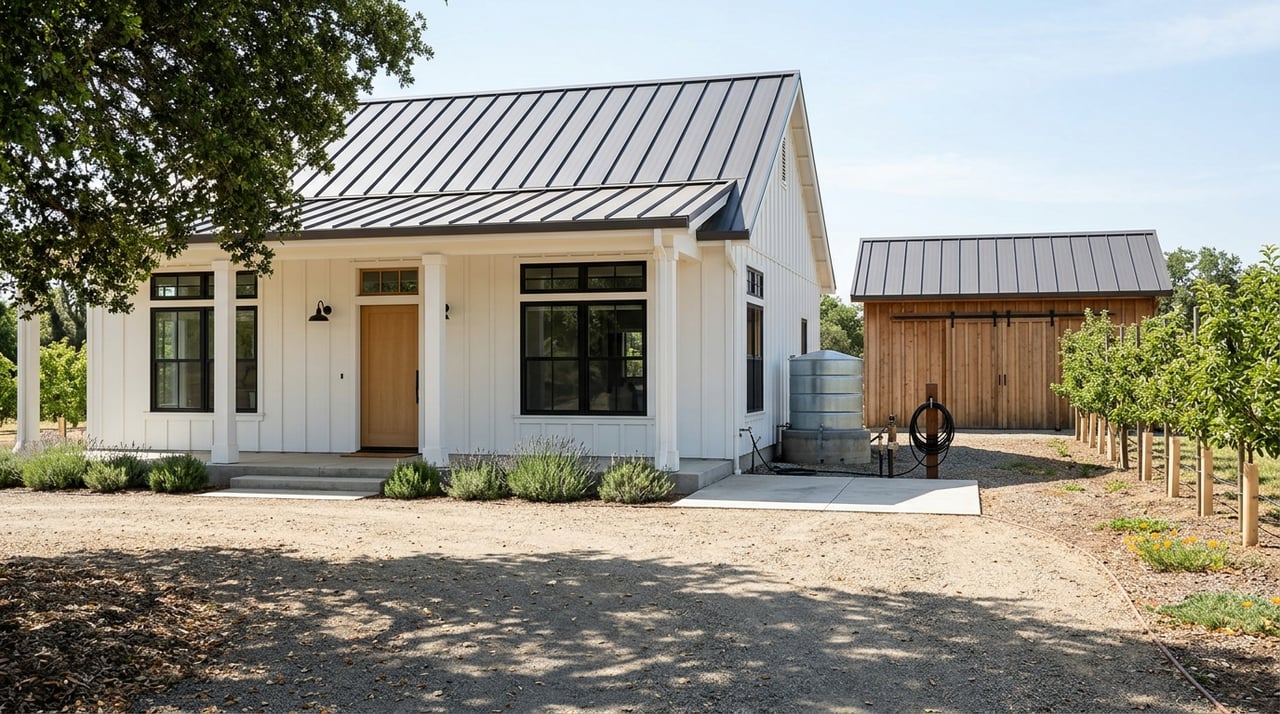
Dreaming about fruit trees, a few rows of vines, or a small Sebastopol property that feels like your own country retreat? It is an appealing vision, but in West Sonoma County, the success of a hobby farm or orchard usually depends less on the charm of the house and more on the land behind it. If you are considering this kind of purchase, you need clear answers about zoning, water, septic, access, and site constraints before you fall in love. Let’s dive in.
Start With Jurisdiction
One of the first things to confirm is whether the property is inside Sebastopol city limits or in unincorporated Sonoma County. That line matters because the rules can change significantly depending on who has authority over the parcel.
Sebastopol city planning states that the city’s jurisdiction does not extend beyond the city limit boundary, and the city notes there are no commercial farming operations inside city limits. For many buyers looking for a true hobby farm, mini-vineyard, or orchard, that means the search often points toward unincorporated Sonoma County rather than a property within the city.
Inside city limits, the city zoning ordinance controls uses, setbacks, and accessory structures. Outside the city, Sonoma County code applies. That is why one of the smartest first steps is to verify the exact jurisdiction before you start planning gardens, barns, orchards, or rows of vines.
Know What the Zone Allows
A rural-looking parcel does not automatically mean broad agricultural rights. In Sonoma County, the base zoning district shapes what you can realistically do with the property.
The county’s RR zone is intended to preserve rural character and low-density residential development, but agricultural service uses are not allowed there. The AR zone is the county’s agriculture-and-residential category, and the county also uses agricultural and resource zones as well as RRD for resource-oriented, very low-density development.
Some agricultural and resource zones may allow reduced setbacks for agricultural buildings when needed for efficient farming. If a parcel is under a Williamson Act contract, that contract and the county’s uniform rules also affect how the property can be used.
Just as important, site sensitivity can change the picture. If the parcel includes a riparian corridor, critical habitat area, or another mapped sensitive feature, even uses that are otherwise allowed may require a use permit.
Check Water Before Anything Else
If you hope to maintain an orchard or small agricultural setup, water is not a side issue. It is often the issue.
Sonoma County uses a groundwater-availability map with four classes. Buyers should verify whether the property’s domestic and irrigation water comes from an on-site well, a spring, a mutual source, or public water. If the proposed water source is not on the same parcel as the building permit, the county says the applicant must show permanent control of, or access to, that source.
This is especially important right now because Permit Sonoma has suspended non-emergency well permits in compliance with a Sonoma County Superior Court order served on December 17, 2024. If you are assuming you can drill a new well or replace an existing one, you should confirm current permit feasibility with the county before you build your budget around it.
For a buyer, this means water due diligence should happen early. A parcel may look perfect for fruit trees or vines, but if water access is uncertain or constrained, the property may not support your plans as easily as it seems.
Review Septic and Wastewater Early
Many rural properties near Sebastopol do not connect to public sewer. If public sewer is not available, Sonoma County says the property must have a septic system to treat wastewater.
That makes septic records a core part of your review, not just a technical detail to handle later. You will want to understand the septic system location, any reserve area, permit history, and any known repair or replacement work.
For buyers considering future improvements, this matters even more. A new outbuilding, expanded use, or changes to the property may be easier or harder depending on the septic setup already in place.
Confirm Safe Rural Access
A long driveway can feel peaceful and private, but it also needs to work for emergency response. Sonoma County’s fire-safety ordinance requires roads and driveways to support all-weather access capable of carrying a 40,000-pound axle load in wet conditions.
The county also requires turnarounds for driveways longer than 150 feet, and very long driveways may need turnouts at intervals. Bridges, culverts, and similar structures must be designed and built to code.
This is one of those issues that buyers often underestimate. A property can be beautiful and still create complications if the access route does not meet current expectations for width, slope, turnaround space, or structural capacity.
Ask for These Records Before You Offer
Before writing an offer on a Sebastopol hobby farm or orchard property, it helps to gather the most important land-use and utility records upfront.
Ask for:
- recorded access easements, if any
- well log and pump-test history, if the parcel uses a well
- septic permit records and any repair or replacement history
- confirmation of whether the parcel is in groundwater class 1, 2, 3, or 4
- a fire-safe access review for driveway width, slope, turnarounds, and bridge or culvert capacity
These items can tell you more about the property’s real-world usability than a marketing description ever will.
Plan Outbuildings Carefully
Many buyers picture adding a barn, greenhouse, shed, or equipment storage. In Sonoma County, those plans need a closer look than you might expect.
The county’s Chapter 7 building rules include an agricultural exemption permit for certain buildings used to house farm machinery, animals, supplies, or harvested products. But the exemption is limited. It does not apply if part of the building is within 60 feet of a property line or another non-exempt building, and it does not apply to buildings that contain waste plumbing.
The county also allows accessory buildings on vacant parcels in some rural zones, but the exact allowance depends on the parcel’s district and any overlay or contract status. Two parcels may look similar on the surface and still have very different rules for sheds, barns, or other structures.
Understand Planting and Grading Rules
If your vision includes a small orchard or a few rows of vines, Sonoma County’s Chapter 36 deserves attention. The county regulates new vineyard and orchard development, replanting, and agricultural grading and drainage in unincorporated Sonoma County.
The county says this work must comply with the chapter even when a permit is not otherwise required. Standards are based on factors such as slope, highly erodible soils, ridgetop location, drainage, and erosion-control needs.
That means even a modest planting plan can involve more review than buyers expect. If the site has steep slopes, drainage constraints, or prior grading, the path from idea to installation may be more complex.
Factor In Rural Living Realities
Owning a country property near Sebastopol can be deeply rewarding, but it helps to go in with realistic expectations. In unincorporated Sonoma County, the Right to Farm ordinance recognizes properly conducted agricultural operations and warns nearby residents to expect normal rural conditions such as noise, odors, dust, smoke, insects, machinery use, manure handling, and fertilizer or pesticide activity.
For some buyers, that is part of the appeal. For others, it is an adjustment. Either way, it is best to understand that rural life often comes with working-land conditions nearby.
Wildfire readiness is another practical part of ownership. Sonoma County’s defensible-space ordinance treats hazardous vegetation in the unincorporated county as a public nuisance, with the strongest fuel-management expectations nearest structures and possible added clearance out to 100 feet depending on slope, fuel load, and fuel type.
Agricultural crops and operations are exempt under the ordinance, but that does not remove the need to carefully manage the home site, outbuildings, and access routes.
Use Local Expertise
A hobby farm or orchard purchase is not just about finding a pretty property. It is about understanding whether the land can support the lifestyle you want with a manageable level of effort, cost, and regulation.
Local technical support can help with that evaluation. UC Cooperative Extension Sonoma County offers programs for specialty crops, orchard and fruit production, water and soil topics, and grower resources. The county agricultural ombudsperson is also described as helping producers navigate zoning, permitting, technical, and business challenges.
For buyers, the real advantage comes from building the right due-diligence team early. When you have clear guidance on zoning, wells, septic, access, and land-use limits, you can move forward with much more confidence.
Focus on the Land First
The biggest takeaway is simple: a Sebastopol hobby farm or orchard purchase is usually won or lost on land details, not the house itself. Before you get too far into the dream, confirm the exact jurisdiction and zoning, where the water comes from, whether the driveway can safely serve emergency vehicles, what outbuildings are truly allowed, and whether planting or grading could trigger county review.
If you want a property that feels good on paper and works in real life, careful rural due diligence matters. When you are ready for a thoughtful, place-based approach to Sebastopol and West Sonoma County property, Theresa Disbro can help you evaluate the details with clarity and care.
FAQs
What should you check first on a Sebastopol hobby farm property?
- First, confirm whether the parcel is inside Sebastopol city limits or in unincorporated Sonoma County, because jurisdiction affects zoning, allowed uses, setbacks, and structures.
Does rural zoning in Sonoma County always allow orchards or hobby farming?
- No. A parcel may look rural but still have limits based on its zoning district, overlay rules, contract status, or mapped sensitive features.
Why is water such a major issue for Sebastopol orchard properties?
- Water determines whether domestic use and irrigation are practical, and buyers should verify the source, groundwater classification, and current well-permit feasibility before making assumptions.
What septic questions matter when buying a rural Sonoma County property?
- You should review septic permit history, system location, reserve area, and any repair or replacement records, especially if public sewer is not available.
Can you add a barn or greenhouse to any Sebastopol-area rural parcel?
- Not necessarily. Outbuildings depend on the parcel’s zoning and building rules, and agricultural exemption permits are limited in scope.
Do small orchards or mini-vineyards trigger county review in Sonoma County?
- They can. In unincorporated Sonoma County, new orchard or vineyard development, replanting, and related grading or drainage work must comply with Chapter 36 standards.
What access issues should buyers review on a rural property near Sebastopol?
- Buyers should look at driveway width, slope, turnarounds, bridge or culvert capacity, and any recorded access easements to make sure the property supports emergency access and legal use.