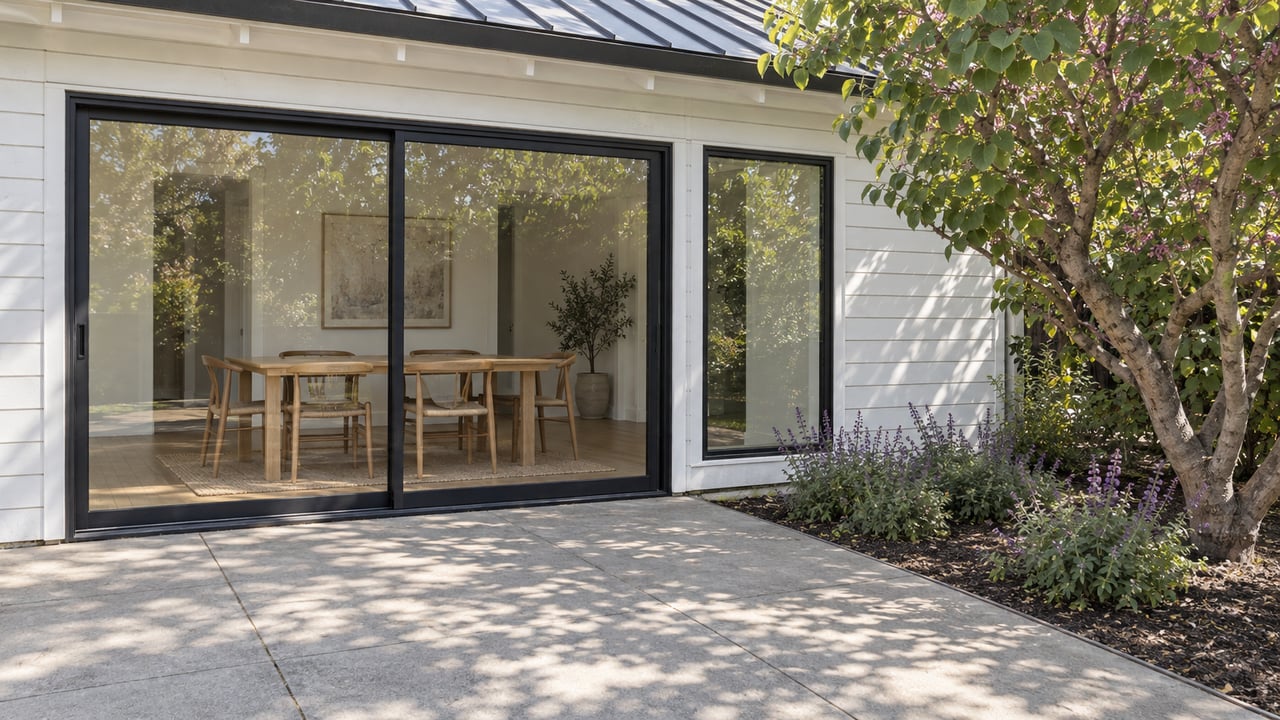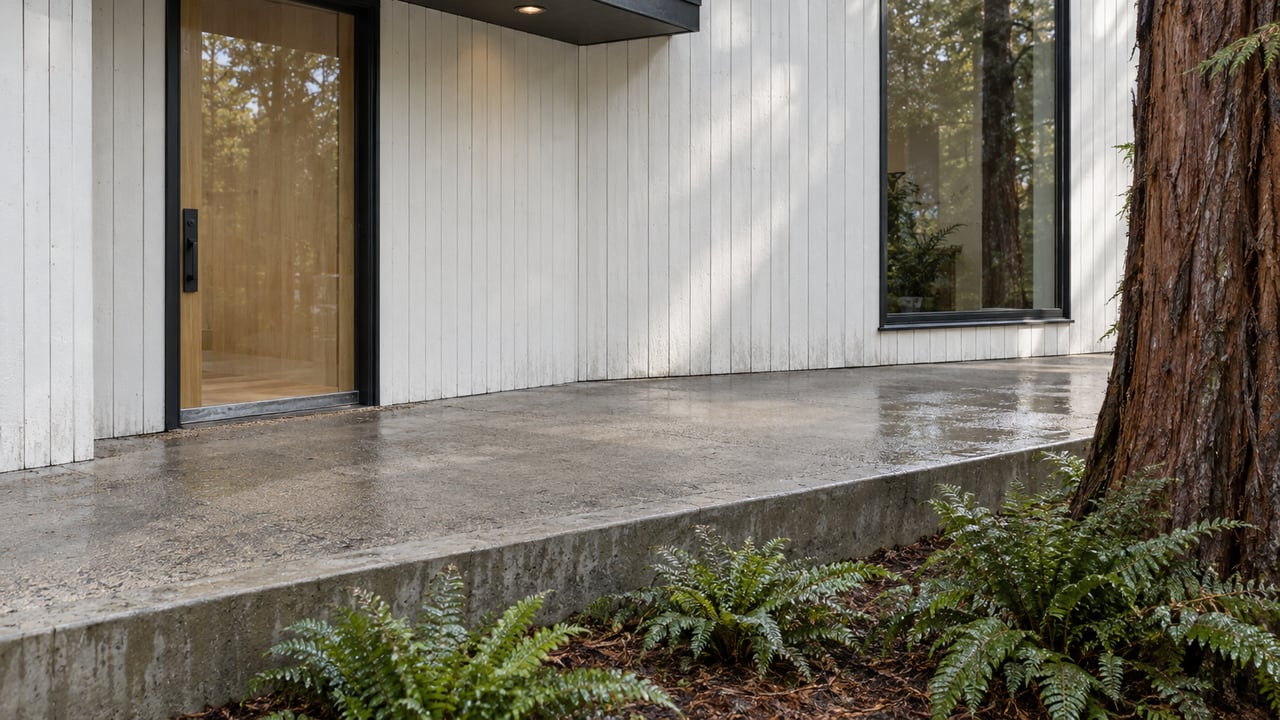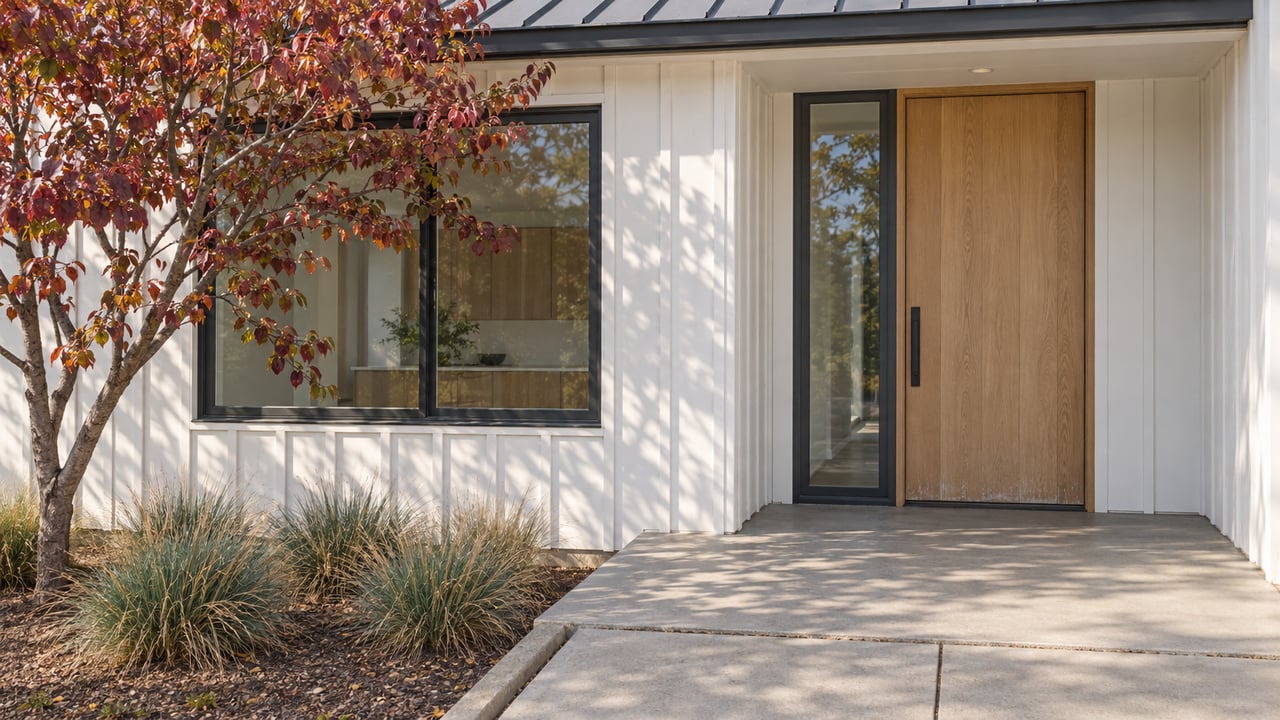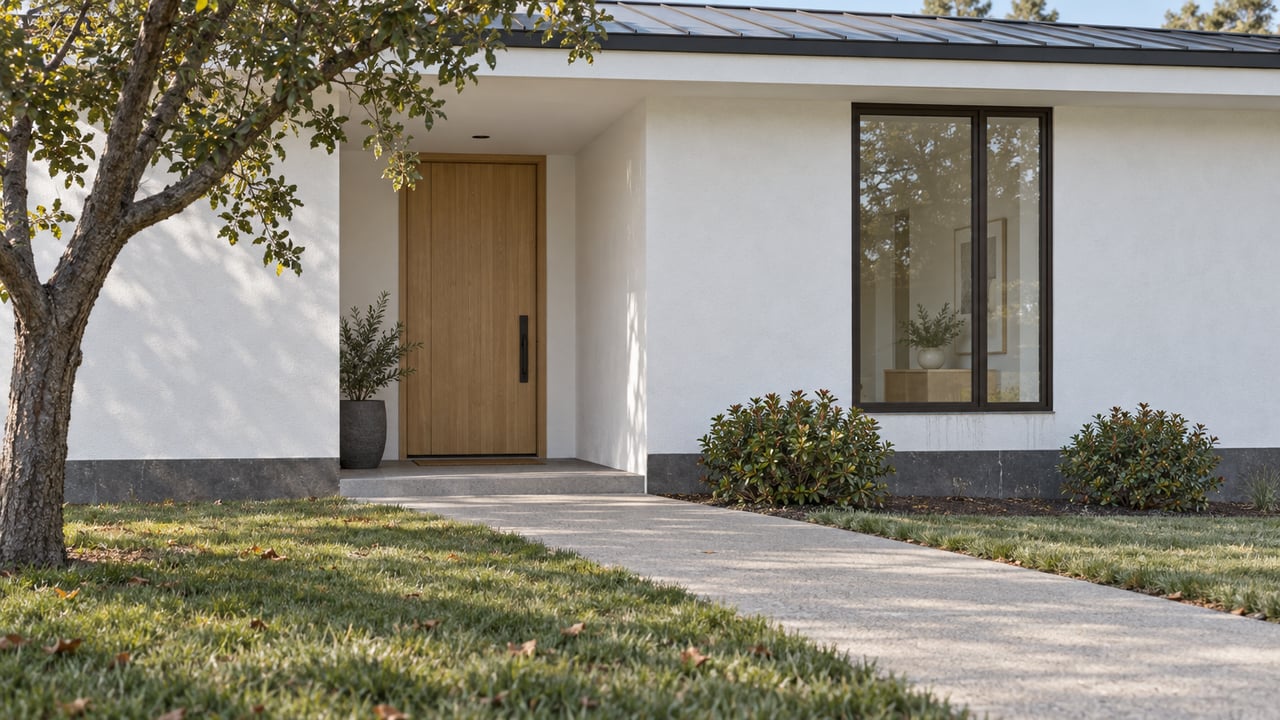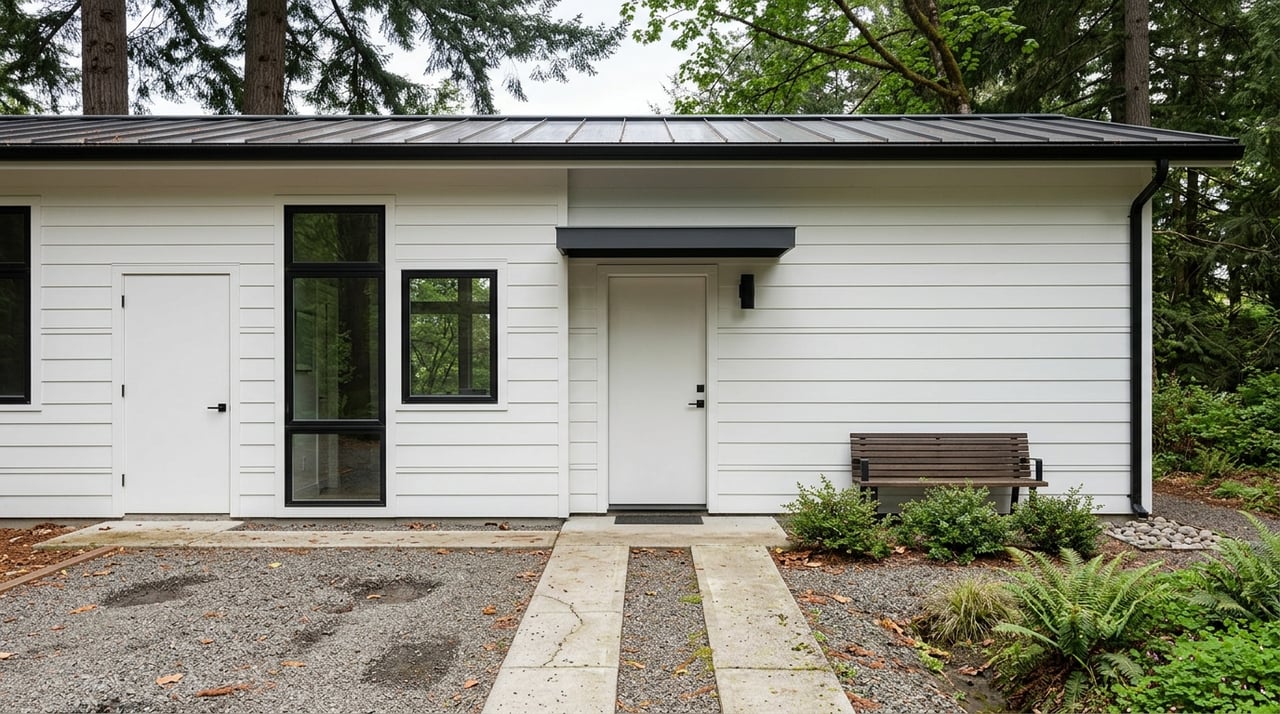
A Russian River weekend home can feel like an instant yes. The redwoods, the river access, and the indoor-outdoor lifestyle are easy to fall for. But if you plan to use a home part time or seasonally, the smartest move is to evaluate it as a working system, not just a beautiful escape. This guide will help you look at the details that matter most so you can buy with more clarity and less guesswork. Let’s dive in.
Start With the Property as a System
In the Russian River corridor, the setting is only one piece of the decision. A home’s usability for weekends and seasonal stays often depends on access, utilities, flood context, wildfire exposure, and how the property performs when you are not there full time.
That means your tour should go beyond finishes and views. You want to understand how the home is reached, how water and wastewater are handled, what happens during outages, and whether the parcel has any special review issues tied to the river.
Check Road Access and Parking First
Confirm who maintains the road
One of the first questions to ask is whether the approach road is county-maintained, private, or shared. Sonoma County tracks county-maintained roads separately, so this is something to verify for each parcel rather than assume based on the area.
Why does this matter for a weekend home? Road responsibility affects repairs, ongoing access, and how practical the property may be during storms or emergency situations.
Look for easy parking and a safe turnaround
Parking can be more important in the Russian River than buyers expect. Sonoma County planning materials note that off-street parking is limited in many areas, and narrow roads can interfere with emergency response.
For a part-time home, that makes usable off-street parking and a safe turnaround especially valuable. If you regularly host friends or family, this becomes even more important.
Know when permits may be needed
If you plan to improve a driveway or do utility work at the street, Sonoma County requires an encroachment permit for certain work in the public right-of-way. That can include driveway aprons, water lines, sewer lines, curbs, gutters, sidewalks, and some vegetation removal.
This does not mean every property needs work. It does mean future improvements should be reviewed early so you understand what may be required.
Verify Water and Wastewater Service
Do not assume the home is on sewer
In the Russian River area, sewer service is parcel specific. Sonoma County states that where public sewer is not available, homeowners must have septic systems that treat wastewater onsite.
For a seasonal home, this is a big deal. Septic status affects maintenance, inspections, and your comfort level with the property’s long-term usability.
Ask for septic records
If the home is not on public sewer, ask for septic permit history and any evaluation records. Permit Sonoma inspection codes show that septic permits can track both system construction and evaluation of an existing system.
That paper trail can help you understand the age, condition, and documented history of the system. It is one of the most useful things to request before you get too far into a second-home purchase.
Understand the water source
Do not assume water service is simple. The source could be public water, a private well, a shared well, or another arrangement such as a spring.
If the property relies on a well, Sonoma County uses Groundwater Availability Areas to guide site-specific water availability. For some parcels near area boundaries, the county may apply the more restrictive area or require special studies.
Ask extra questions on well properties
If the water source is on another parcel, the applicant must show permanent control of or access to that source. In Class 4 groundwater areas, dry-weather testing can also be required.
These details matter because a weekend home should be easy to arrive at and use. You do not want surprises around water access or system performance after closing.
Watch for Public Trust Review Area issues
Some parcels near navigable waterways fall within Sonoma County’s Public Trust Review Area. In these areas, new or replacement wells require evaluation for potential impacts to public-trust waterways such as the Russian River.
The county’s current permit page also notes that non-emergency well permits have been suspended under a December 17, 2024 Superior Court order. If a property may need future well work, this is the kind of issue to flag early.
Screen for Flood and River Exposure
Start with official flood mapping
Flood screening should begin with FEMA’s official flood-hazard products and address search tools. Sonoma County also maintains a Russian River-Mark West Creek inundation model that it describes as planning and emergency-evacuation data.
Together, these tools help you understand both mapped flood exposure and the broader local context. For a river-area purchase, that context is essential.
Look beyond the water view
A home near the river may have strong lifestyle appeal, but it should also be checked for flood exposure and evacuation context. The same goes for homes in low spots or below a hillside.
For a seasonal owner, this matters even more because you may not be at the property every day. A home that is charming in summer should also make sense in winter and during changing river conditions.
Evaluate Wildfire Risk and Outage Readiness
Review the fire hazard designation
Wildfire exposure is a major part of the Russian River buying process. CAL FIRE says Fire Hazard Severity Zones classify areas as moderate, high, or very high, and the current State Responsibility Area maps took effect on April 1, 2024.
Knowing the property’s designation helps you understand risk in a more structured way. It also gives you a better lens for evaluating vegetation, access, and overall preparedness.
Check defensible space and home hardening
State guidance says defensible-space requirements apply in the State Responsibility Area and in Very High Fire Hazard Severity Zones in the Local Responsibility Area. The State Fire Marshal also emphasizes home hardening.
When you tour a home, look at whether defensible space appears established and whether the property seems set up for easier maintenance. For a part-time owner, a house that is simpler to maintain can be a real advantage.
Think through power outages realistically
PG&E notes that homes and businesses in higher wildfire-risk tiers are more likely to experience Public Safety Power Shutoffs. That is why weekend and seasonal buyers should think through backup power, alert enrollment, and what happens if the home is empty when the power goes out.
This is not just a comfort issue. It is part of evaluating whether the property fits the way you plan to use it.
Match the Layout to Part-Time Living
Favor easy-to-reset spaces
Some homes are simply easier to own seasonally than others. In this market, the most practical layouts are often simple floor plans that are easy to close up, reopen, and reset after each visit.
That can mean a straightforward entry, durable surfaces, and rooms that do not require constant monitoring. You are looking for ease, not just charm.
Look for storage where you need it
A mudroom or entry drop zone, secure owner storage, and enough room for damp river gear can make a noticeable difference. These features are not code requirements, but they fit the realities of rural access, flood context, fire readiness, and occasional outages.
For a weekend home, small practical details often shape the ownership experience more than an extra decorative feature.
Consider outdoor living with a practical lens
Outdoor space is a big part of the Russian River lifestyle. Sonoma County Regional Parks says Russian River beaches support fishing, swimming, boating, water sports, and sunbathing, and the county monitors bacterial levels at beaches on the Russian River.
Regional Parks also notes that day-use parks are open 365 days a year unless temporarily closed because of weather, and loaner life jackets are available at some Russian River beaches during the summer season. If outdoor living is part of your vision, it helps to think about how the home supports gear storage, cleanup, and simple year-round use.
If You May Rent the Home, Check Local Rules Early
If you hope to rent the home when you are not using it, do not leave that question for later. Sonoma County requires a Vacation Rental License and related permits for vacation rentals in the unincorporated county.
That means rental potential should be evaluated as a local compliance question, not just a lifestyle assumption. A property that works beautifully for personal use may still need separate review for vacation-rental use.
A Smart Russian River Tour Checklist
When you walk a potential weekend or seasonal home, keep your questions focused on how the property will actually function over time.
- Is the road county-maintained, private, or shared?
- Is there easy off-street parking and a safe turnaround?
- Is the home on sewer, septic, or a shared wastewater system?
- Is the water source public, a private well, a shared well, or another source?
- Are well and septic permits, inspections, or evaluations documented?
- Is the parcel in a FEMA flood zone or county inundation area?
- What is the fire-hazard designation?
- Is defensible space already established?
- How will the home handle outages or a PSPS if nobody is there?
- If you plan to rent it, does the property appear positioned for local vacation-rental licensing review?
Buy for Beauty and Function
The best Russian River weekend homes offer both atmosphere and practical usability. When you evaluate access, utilities, flood and fire exposure, and part-time living systems early, you can make a more confident decision and avoid turning a retreat into a project.
If you want a local, clear-eyed perspective on how a Russian River property may function for weekend or seasonal use, Theresa Disbro can help you assess the details that matter most with the kind of place-based guidance these homes deserve.
FAQs
What should you check first when touring a Russian River weekend home?
- Start with road access, parking, water source, wastewater service, flood context, wildfire exposure, and outage readiness.
How do you know if a Russian River home is on sewer or septic?
- Sewer service is parcel specific in Sonoma County, so you should verify the property’s service type and ask for septic permit history or evaluation records when applicable.
Why does road maintenance matter for a seasonal home in the Russian River?
- The road may be county-maintained, private, or shared, and that affects repair responsibility, regular access, and emergency access.
How should you evaluate flood risk for a Russian River property?
- Use FEMA’s official flood-hazard tools and review Sonoma County’s Russian River-Mark West Creek inundation model for planning and evacuation context.
What wildfire questions should you ask about a Russian River home?
- Ask about the property’s Fire Hazard Severity Zone, whether defensible space is established, and how the home may perform during outages or Public Safety Power Shutoffs.
Can you use a Russian River weekend home as a vacation rental?
- In unincorporated Sonoma County, vacation rentals require a Vacation Rental License and related permits, so you should review local eligibility and requirements early.
Why is the water source important for a Russian River second home?
- A home may rely on public water, a private well, a shared well, or another source, and that can affect long-term usability, permitting, and documentation needs.