Buying a cabin along the Russian River should feel exciting, not overwhelming. Still, rural utilities work differently than city services. If you understand wells, septic systems, and inspections early, you can protect your budget, keep your timeline on track, and close with confidence. This guide highlights what to check, who to hire, and how Sonoma County’s local rules affect your purchase. Let’s dive in.
Why Russian River cabins are different
Many river communities operate on private wells and onsite wastewater treatment systems. Along the Russian River, there is an added layer you should know about. The North Coast Regional Water Board adopted a pathogen Action Plan that focuses inspections and corrective action in priority sub‑watersheds near the river. If a property sits in one of these areas, you may face added inspection timelines and long‑term upgrade obligations. You can review the Action Plan details through the North Coast Water Board’s page on the Russian River Pathogen TMDL and APMP.
In Sonoma County, Permit Sonoma is the local authority for well and septic permits, records, and approvals. Because rules and permit workflows can change, especially during periods of ordinance updates or litigation, always verify current requirements directly on Permit Sonoma’s Well and Septic Systems page before you make assumptions about new work or timelines.
Start with permit records
Your first action step is simple. Pull the property’s well and septic permit history from Permit Sonoma. These files often include as‑built septic plans, OPR (Operational Permit and Monitoring) records for advanced systems, and past well documents. Start here: Permit Sonoma Records Search.
If the septic system uses supplemental treatment, it may be enrolled in the county’s OPR program. New owners must follow the monitoring and reporting conditions. You can learn more on Permit Sonoma’s OPR program page.
Wells: what to check
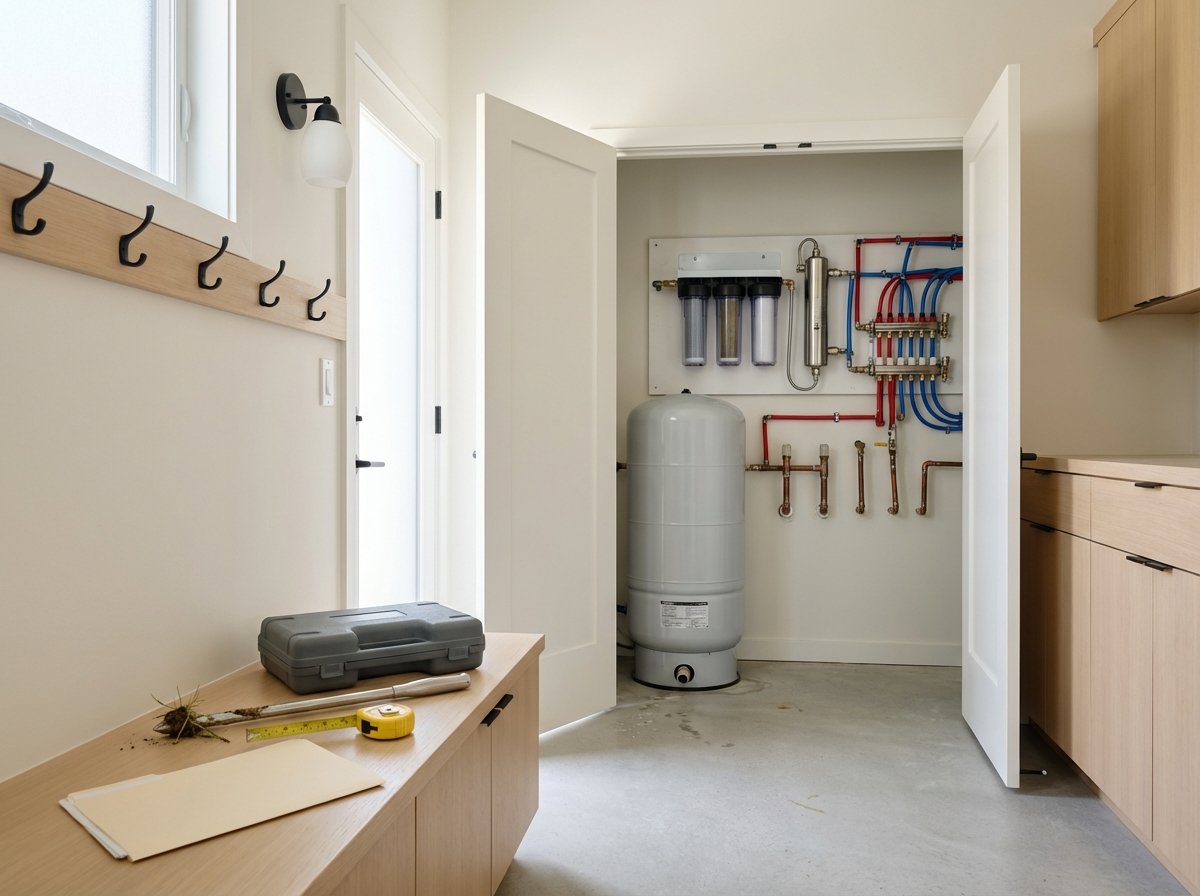
Buying rural means you need a clear picture of water quality and water supply. Ask the seller for all well documents and be ready to order your own tests if anything is missing or out of date.
Key documents to request
- Well permit and any Well Completion Report (well log)
- Past pump or yield tests and static water level readings
- Any water treatment system info and service records
- Any shared well agreement, if applicable
- Past lab results and disinfection history
Minimum water tests
At a minimum, order a bacteriological screen for total coliform and E. coli, plus a nitrate test. These basic public‑health tests are recommended for private wells. Sonoma County provides guidance on recommended analytes and certified labs on its Well Water Testing page. If risk factors are present, add an expanded Title 22 inorganics panel and consider testing for metals or VOCs.
- Bacteria and nitrate tell you if the water is safe to drink today.
- Expanded panels help you understand long‑term treatment needs.
- Use an ELAP‑certified lab and follow the lab’s chain‑of‑custody rules.
Pump tests and yield
If the well’s production is unknown or marginal, schedule a dry‑weather pump test with a licensed C‑57 driller or qualified engineer. The test measures drawdown, sustained flow, and recovery so you can determine whether the well supports full‑time use and any planned expansion. Permit Sonoma explains local expectations and dry‑weather testing on its Water Wells page.
Many lenders and federal programs use minimum production benchmarks for financing. FHA guidance often references approximately 3 gallons per minute for an existing well and about 5 gpm for new construction, along with required third‑party water testing and minimum separation distances from septic components. Review your lender’s standards and the FHA Single‑Family Handbook 4000.1 early.
Common well red flags
- Consistent bacteria positives, or nitrate above safe levels
- Low sustained yield that cannot meet normal household demand
- Missing permits or no Well Completion Report on file
- Old or abandoned wells without proper destruction records
Septic basics for cabins
A septic system treats and disperses wastewater on site. On the river, soils and proximity to waterways can limit system types and trigger added oversight under regional programs. Permit Sonoma’s Septic Systems page outlines local standards.
System types you may see
- Conventional gravity tank and leach field
- Pressure distribution or mound systems where soils are limiting
- Aerobic treatment units with supplemental treatment and monitoring
- Older seepage pits or cesspools, which are often not acceptable today
What a septic inspection covers
A typical pumping inspection locates and opens the tank, checks liquid levels and baffles, evaluates the structure, looks for surfacing effluent or soggy areas over the field, and performs a flow test. Some counties publish minimum flow volumes for time‑of‑sale inspections. Santa Cruz County’s program is a useful reference for what a point‑of‑sale package can include, even though Sonoma County uses a different approach. See the Santa Cruz example for context: Rural Real Estate Sales Program.
If the inspection suggests failure or missing data, expect to order a full system evaluation by a county‑qualified designer or engineer.
Red flags and potential costs
- Persistent wet spots, strong odors, or unusually lush vegetation over the drain field
- High liquid levels in the tank or frequent emergency pumping
- Evidence of unpermitted modifications
- No permit or as‑built records on file
A basic pump and inspection often costs a few hundred dollars. Complex evaluations and repairs scale with system type and site conditions. In difficult terrain, full replacements can be significant. Budget with care, especially near the river where upgrades may require specialized solutions.
How regional rules can affect your plans
In priority areas along the Russian River, the North Coast Board’s Action Plan can add inspection schedules and upgrade timelines for onsite wastewater systems. If you buy in these sub‑watersheds, expect closer oversight and plan for possible improvements during your ownership. Review the details on the Russian River pathogen Action Plan and confirm parcel‑specific requirements with Permit Sonoma.
Some advanced systems in Sonoma County are enrolled in the OPR program. Ownership comes with monitoring and reporting duties, so factor this into your long‑term maintenance plan. See Permit Sonoma’s OPR program for what records to keep and how reporting works.
Who to hire
The right professionals make a big difference in rural due diligence. At a minimum, confirm licenses and use county‑qualified providers.
- Well work and pump tests: California C‑57 well driller; pump installers may carry C‑61/D‑21
- Water testing: ELAP‑certified laboratory with proper sample collection
- Septic pumping and inspection: county‑approved pumper or inspector; full evaluations by a qualified OWTS designer or engineer
You can verify contractor classifications on the California Contractors State License Board site.
Lenders and financing details
If you are financing, ask your lender for well and septic requirements up front. Lenders may require third‑party water collection, specific analytes, well yield documentation, and minimum separation distances between wells and septic components. For government‑backed loans, review FHA’s Handbook 4000.1 and clarify any lender overlays that may be stricter than the baseline.
Timelines and offer strategy
Testing and inspections take time, especially in busy seasons. Plan your contingencies with enough room to schedule vendors and receive lab results.
- Bacteria and nitrate tests: often 2 to 7 business days; expanded panels can take 1 to 3 weeks
- Pump test: allow 1 to 2 weeks to schedule, plus reporting time
- Septic pumping inspection: often within a few days; full evaluations can take several weeks
Consider adding clear well and septic contingencies that reference water quality results, minimum yield, and the right to obtain a full OWTS evaluation if the pumping inspection reveals concerns. Give yourself 14 to 28 days, depending on lab panels and vendor availability.
Quick buyer checklist
- Pull Permit Sonoma files: well permits, septic permits, as‑builts, and any OPR records using the Records Search.
- Order water tests: at least bacteria and nitrate, with an ELAP‑certified lab using the county’s Well Water Testing guidance.
- Verify yield: schedule a dry‑weather pump test if production is unknown or marginal, following Permit Sonoma’s Water Wells guidance.
- Inspect septic: get a pumping inspection and, if needed, a full evaluation by a county‑qualified designer.
- Confirm lender rules: review FHA’s Handbook 4000.1 and your lender’s overlays before removing contingencies.
Buying a Russian River cabin is about fit, lifestyle, and stewardship. With the right plan and local guidance, you can navigate wells, septic, and inspections smoothly and enjoy the river life you envisioned. If you want a hands‑on advocate who knows the terrain, Permit Sonoma processes, and vendor landscape, connect with Theresa Disbro for tailored advice and a calm, step‑by‑step approach.
FAQs
What is the APMP on the Russian River?
- It is the North Coast Water Board’s Action Plan for pathogens that adds assessment and inspection requirements for onsite wastewater systems in priority sub‑watersheds near the river, which can affect timelines and upgrades.
How do I find well and septic records in Sonoma County?
- Use Permit Sonoma’s online Records Search to request permit history, as‑built plans, OPR files, and well documents for the parcel you are evaluating.
What water tests should I order for a private well?
- Start with total coliform and E. coli plus nitrate at a minimum, then add a Title 22 inorganics panel or other analytes if risk factors or lender requirements call for more detail.
When is a well pump test necessary?
- Order a pump test when yield is unknown, lab results or lender rules require it, or you are planning new construction or an ADU that triggers dry‑weather testing standards.
What does a septic inspection include at time of sale?
- A pumping inspection typically checks the tank structure, baffles, liquid levels, signs of surfacing effluent, field conditions, and performs a flow test, with a full evaluation recommended if issues appear.